Mental health diagnosis can fight stigma and feed it, article says
A new look at four major diagnostic frameworks finds that a medical label can open the door to treatment while also making people feel judged.
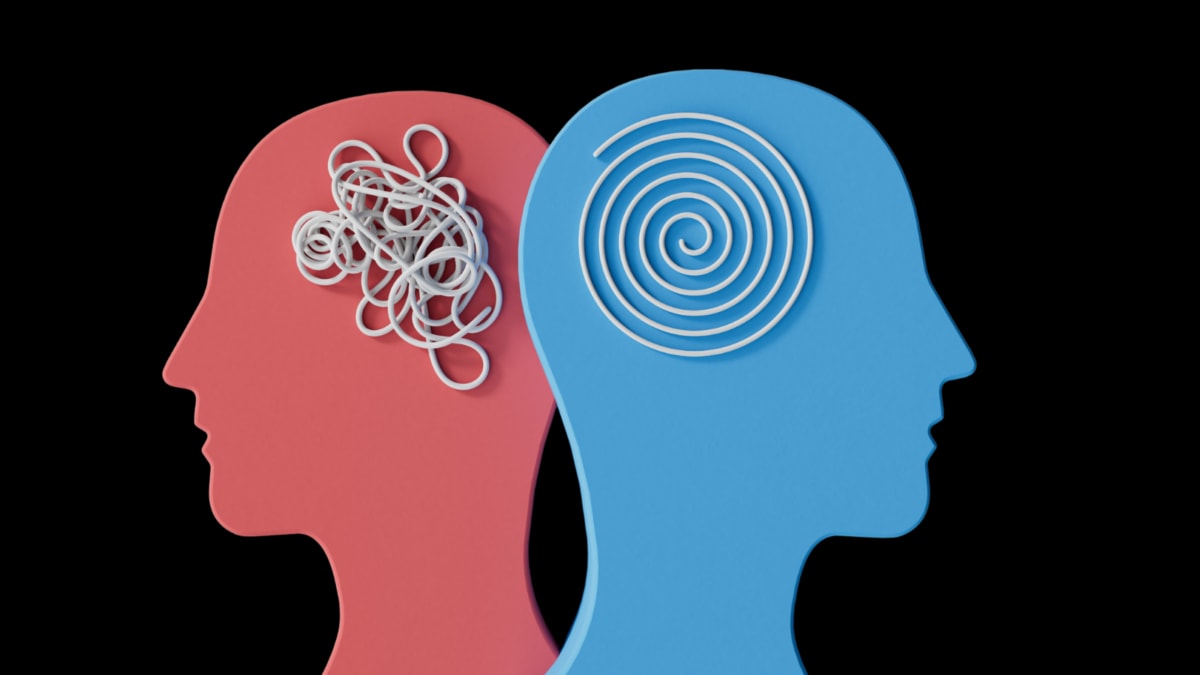
A medical diagnosis for a mental health condition can help a person get treatment, but it can also bring shame and unfair treatment. That is the central point of an article published on News18 that looks at how four widely used diagnostic frameworks relate to mental health stigma.
The article says stigma is one of the biggest hurdles in mental health care. It can delay treatment, lower quality of life and is linked to higher death rates. It leans on the work of sociologists Link and Phelan, who describe stigma as a mix of five things: labelling, stereotyping, separation, loss of status and discrimination, all backed by unequal power.
Here is the twist. A label can do harm, the article notes, citing Rosenhan's 1973 experiment, in which a false diagnosis of schizophrenia led clinicians to read ordinary behaviour as a symptom. But the harm can also start before any label. Fear of being judged, or judging yourself, often stops people from seeking help at all.
Culture matters too. The article says stigma tends to be more deeply felt, and more tied to moral judgement, in collectivistic societies than in individualistic ones. It cites a study across 27 countries in which 72% of people diagnosed with schizophrenia felt they had to hide it. About 47% faced discrimination in making friends, and 64% faced it when applying for jobs, training or education.
The most widely used manual, the DSM, comes in for criticism. The article says its symptom-count, category-based approach may inflate estimates of how common disorders are, by as much as 46.4%, and that overlap between diagnoses can reach 50%. It adds that explaining mental illness as a brain-based problem has raised support for treatment and eased blame, but has not cut stigma among the public. Perceptions of danger and the wish to keep distance from people with a diagnosis have actually grown.
Why does this matter? Efforts to cut stigma without understanding how diagnosis works, the article says, have been linked to overdiagnosis, especially of ADHD and autism. In short, a label is not simply good or bad. How it is used, and the society around it, decides whether it helps.
Read the original piece here: The Multidimensional Relationship Between Diagnostic Tools And Mental Health Stigma.