Sharmila Tagore chose surgery for stage zero lung cancer, says Soha Ali Khan
Soha Ali Khan says her mother pushed for an operation even though many around her felt it was unnecessary, and the tissue turned out to be malignant.
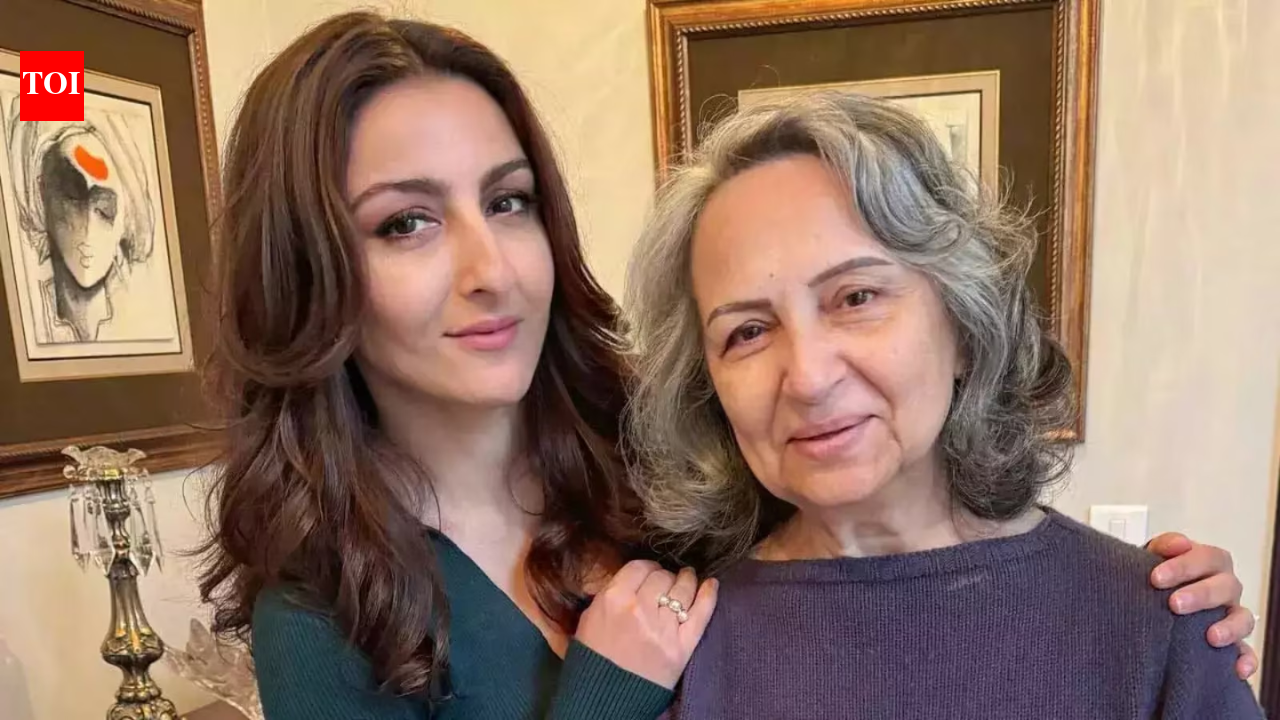
Veteran actress Sharmila Tagore, now 81, insisted on having surgery after a stage zero lung cancer diagnosis, and her daughter Soha Ali Khan says that decision paid off. Speaking on her podcast All About Her, Soha said many people thought the operation was not needed. But once doctors began operating, they found the tissue was malignant and removed all of it.
Soha described it as one of the best possible outcomes for someone with lung cancer. According to her, early diagnosis is very hard, and her mother's insistence on being operated on made the difference. Sharmila had earlier spoken about the health scare on Koffee with Karan in 2023, when she explained why she could not be part of the film Rocky Aur Rani Kii Prem Kahaani.
So what does stage zero actually mean? Going by the US National Cancer Institute's description, it is when abnormal cells are present in the lining of the lung's airways but have not reached deeper lung tissue. Left alone, such cells can turn cancerous over time.
The tricky part is that doctors cannot always tell which of these early changes will grow or spread and which can safely be watched. Many early lung lesions also cause no symptoms at all, so your body will not necessarily warn you. That is why routine health checkups matter, since some early findings come up only during a regular visit.
When a doctor spots a suspicious lump, the usual next step is more investigation. That can mean imaging like a CT scan or a biopsy, where a small piece of tissue is examined under a microscope. Results help decide whether surgery is the right call. In Sharmila's case, the cells were confirmed as malignant only during the operation, which is why some onlookers doubted the need for it.
One more piece of good news: she did not need chemotherapy afterwards, as the affected tissue had been taken out. Chemo remains an important treatment for many patients, but the fear of it can be heavy, and emotional support and clear medical guidance help people cope. Whether someone needs it depends on their specific case, so their doctor is the person to ask.